
Is the Tailwind Fading?
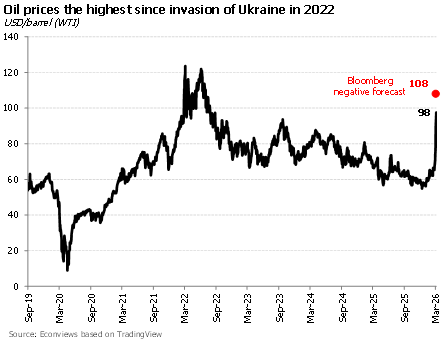
The war in the Middle East has put the brakes on the very favorable international environment that the Argentine economy had been riding. Through February, global markets were showing a strong appetite for risk assets and the dollar was weakening, which was pushing up emerging market currencies and compressing credit spreads to levels not seen […]
The Week AI Stopped Being Abstract
Taking advantage of a relatively quiet local macro environment, we turned our focus toward the global front. In just one week: IBM suffered its worst stock market decline in 26 years, a profitable digital payments company laid off 40% of its workforce, and a hypothetical report on mass unemployment went viral on Wall Street. The […]
The Challenge Is to Keep Fate an Isolated Case
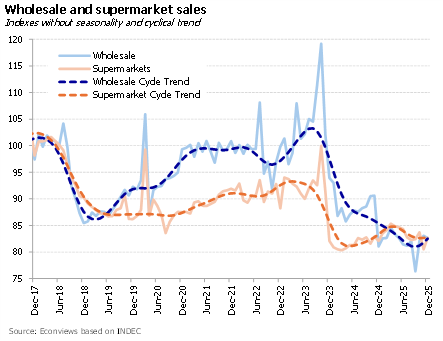
The closure of the Fate tire plant and the debate over labor reform have placed growing concerns about jobs and wages at the center of the stage. The latest survey from the University of San Andrés confirms this shift: according to public opinion, low wages are now the main problem affecting the country, followed closely […]
A Bittersweet Week
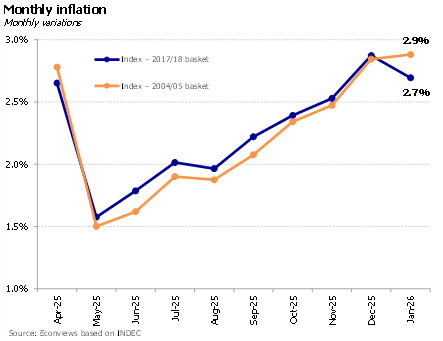
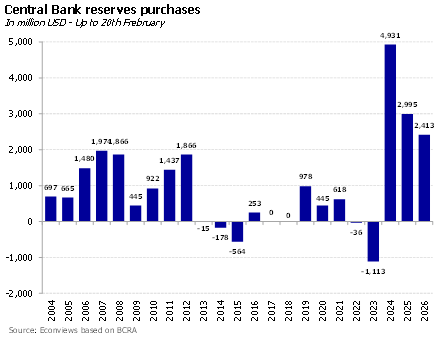
The week in the Argentine economy left a bittersweet taste. On one hand, the good news was that the Senate passed the labor reform bill and the Central Bank (BCRA) continued to buy dollars at a steady pace. However, at the same time, inflation served as a reminder that the game was far from over […]
After a Dull January, Emotions Run High in February
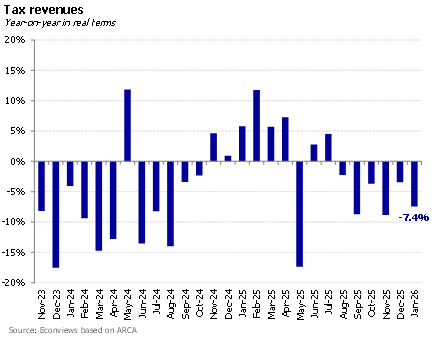
January closed with a highly positive balance for the Argentine economy. After moving past the electoral noise and with a macroeconomy showing signs of stabilization, the Government managed to make significant progress in reserve accumulation, brought country risk down to the 500-point range, and kept the exchange rate under control. However, February has begun with […]
Ecuadorian Signals: Issue Now or Wait?
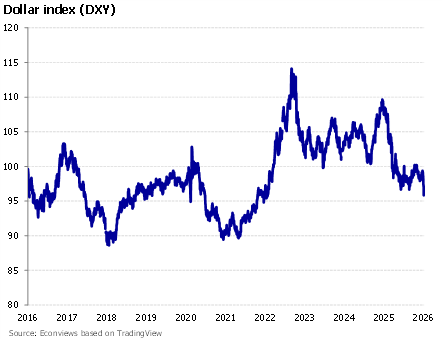
Country risk reached its lowest level since June 2018 last week. The reserve accumulation program was the final push the indicator needed to seek new lows. The market saw results and rewarded them: the Central Bank added USD 1,100 million in January, and the index broke below the 500-basis-point mark.
A Change of Model or an Inevitable Shift?
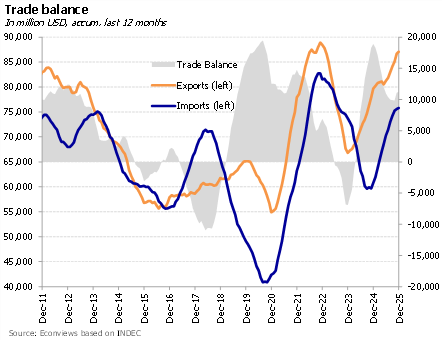
Since the Milei administration took office, a fierce debate has opened up regarding the future of industry and employment. On one side are those arguing that the economic program is causing an “industricide” and higher unemployment, pressing for the economy to remain protected. On the other side are the free-market fundamentalists who lean towards the […]
The Promise of Buying Reserves Becomes a Reality
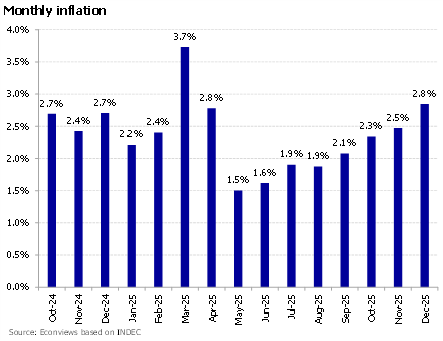
When it was announced in December that the Central Bank would begin accumulating reserves in 2026, many of us were skeptical. The government had consistently missed this explicit target within the IMF program throughout last year and had operated on the edge regarding the external front—to the point of needing a “Trump bailout” to avoid […]
First Steps of the Year: Progress, Tensions, and Pending Issues
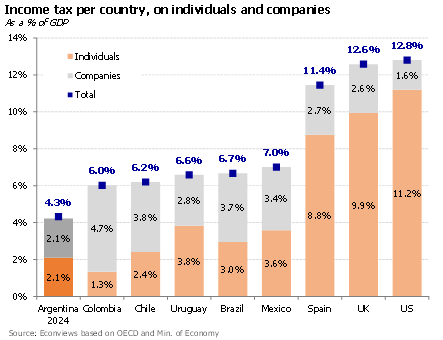
A new year begins with many challenges but also with hope. Fortunately, it starts with an approved Budget Law and a good chance of moving forward with labor reform. Also, as expected, debt payments were made, providing some peace of mind. However, the challenges remain significant: taming an inflexible inflation rate, ensuring the recovery reaches […]
The Band Widens and the Anchor Loosens
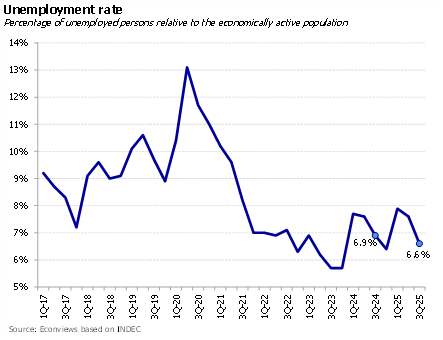
The government has decided to shift the focus of its program. The exchange-rate band, which until now had been adjusting at a monthly pace of 1%, will now move in line with past inflation, closer to 2%. More importantly, it announced an explicit plan to accumulate reserves, with monthly purchases of around USD 800–1,000 million. […]